The Ultimate Commandment | El Mandamiento Máximo
The Ultimate Commandment
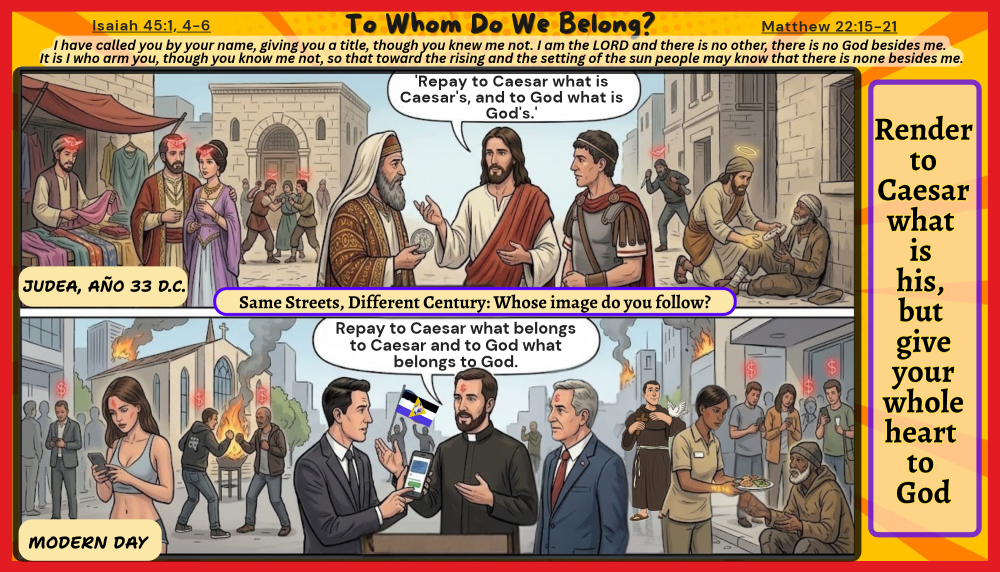
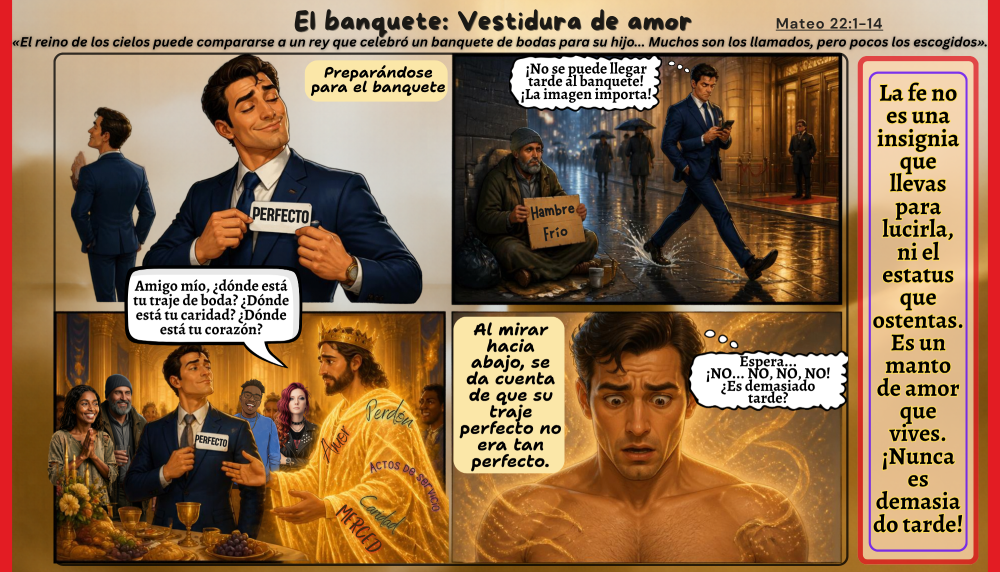
 How do we decide who or what rules our daily choices? Do we just blend in with the crowd and chase online trends, or do we let our faith in God actually shape how we treat the people right in front of us?
In this week’s readings from Exodus 22:20-26, 1 Thessalonians 1:5c-10, and Matthew 22:34-40, we see how we can be a big part in God’s plan. When Jesus is asked about the greatest commandment, He shows us that our love for God should be the same as our love for our neighbor—especially those who most need help. Saint Paul praises the Thessalonians because their faith didn’t stay quiet; they sounded their faith loudly in real life by their actions; turning them away from empty idols so they can serve the living God instead.
Lessons for Life:
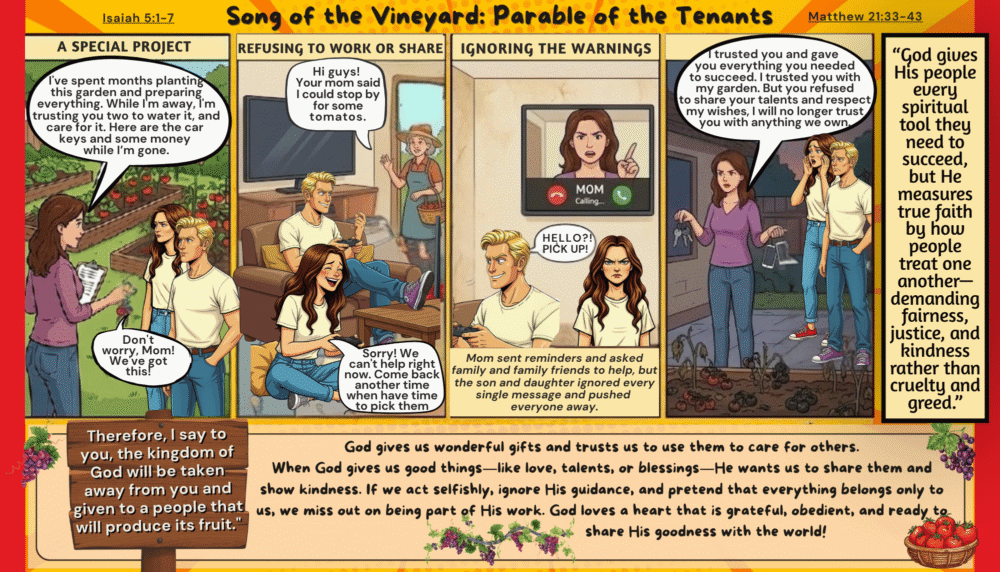
- The Heartbeat of the Law (Exodus 22:20-26; Matthew 22:34-40): Sometimes people think loving God is just an invisible, feeling you have inside your head or heart. But the Bible shows it has to be real! God tells us that the way we actually prove we love Him is by being kind and sticking up for people who are hurting, lonely, or treated unfairly.
- Faith That Isn’t Quiet (1 Thessalonians 1:5c-10): Real faith is kind of like having a really good secret you can’t keep quiet about. When we choose courage over peer pressure, stand up against exclusion, and refuse to ignore people who are hurting, our faith “sounds forth” for everyone to see. When you sit with someone who is sitting all alone at lunch, or help a stranger in need, your faith “makes noise” through your good actions.
- Upward and Outward: You can’t love your neighbor well until you are plugged into God. Our vertical connection to our Creator is what fuels our horizontal compassion for the world around us. Think of it like a phone battery. You can’t use your phone to help anyone if it’s completely dead. In our case, we have to “plug in” to God through prayer first so we have the extra energy and love to share with everyone else.
Takeaway for the Week:
- This week, think about where your energy goes…
- Am I unconsciously scrolling through social media or group chats while ignoring someone right next to me, who needs a friend?
- Am I only concerned for my own self interests while my friend or family member is suffering?
- Am I taking the easy way out, or am I brave enough to include someone who is left out?
- Am I taking a quiet moment to pray and talk to God, to recharge, so I have the strength to be kind to those around me? Even those who are NOT kind to me?
While navigating your everyday school, work, or digital life, or even when playing video games or even just hanging out, remember that your choices and actions show who you really belong to.
The Example of St. Pier Giorgio Frassati:
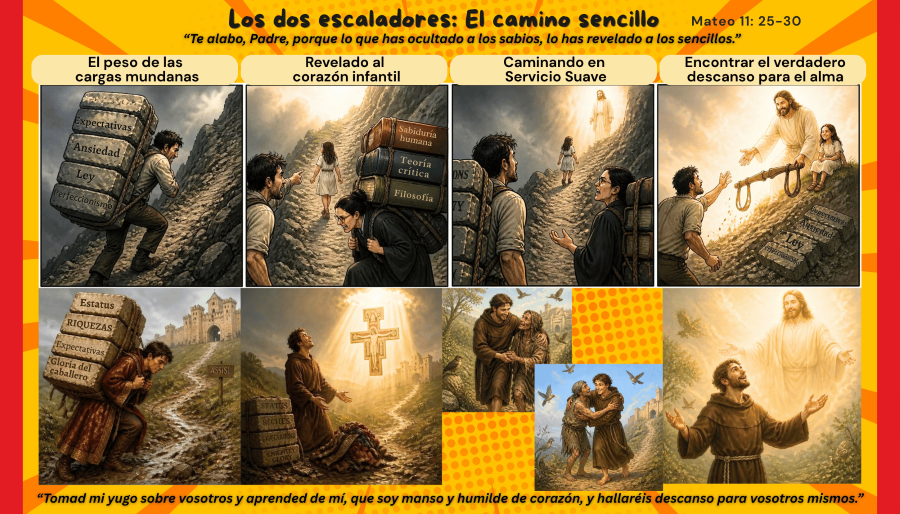
St. Pier Giorgio Frassati was an outgoing college student who loved mountain climbing, sports, and hanging out with his friends. Even though he was full of energy and fun, he always kept God first. He helped the poor and stood up for people in need. He showed that following God doesn’t mean being boring—it means living life to the absolute fullest with a joyful heart.
Reflection of the Week:
Look at the ways you treat the people around you and how you spend your time. What is one way you can put your faith into action? How can you make sure your faith moves off the screen and into real, active love for others this week?
El Mandamiento Máximo
 ¿Cómo decidimos quién o qué rige nuestras decisiones diarias? ¿Nos dejamos llevar por la multitud y seguimos las tendencias en línea, o permitimos que nuestra fe en Dios moldee la forma en que tratamos a quienes tenemos delante?
En las lecturas de esta semana, Éxodo 22:20-26, 1 Tesalonicenses 1:5c-10 y Mateo 22:34-40, vemos cómo podemos ser parte fundamental del plan de Dios. Cuando le preguntan a Jesús sobre el mandamiento más importante, nos muestra que nuestro amor por Dios debe ser igual al amor por nuestro prójimo, especialmente por aquellos que más lo necesitan. San Pablo elogia a los tesalonicenses porque su fe no se quedó en silencio; la manifestaron con fuerza en la vida real mediante sus acciones, apartándose de los ídolos vacíos para servir al Dios vivo.
Lecciones para la vida:
- El corazón de la ley (Éxodo 22:20-26; Mateo 22:34-40): A veces, la gente piensa que amar a Dios es solo un sentimiento invisible, algo que se tiene en la mente o el corazón. ¡Pero la Biblia muestra que tiene que ser real! Dios nos dice que la manera de demostrarle nuestro amor es siendo amables y defendiendo a quienes sufren, se sienten solos o son tratados injustamente.
- Una fe que no es silenciosa (1 Tesalonicenses 1:5c-10): La verdadera fe es como tener un gran secreto que no puedes guardar. Cuando elegimos la valentía en lugar de la presión social, nos oponemos a la exclusión y nos negamos a ignorar a quienes sufren, nuestra fe se manifiesta para que todos la vean. Cuando te sientas con alguien que está solo en el almuerzo o ayudas a un desconocido necesitado, tu fe se hace oír a través de tus buenas acciones.
- Hacia arriba y hacia afuera: No puedes amar bien a tu prójimo hasta que estés conectado con Dios. Nuestra conexión vertical con nuestro Creador es lo que alimenta nuestra compasión horizontal por el mundo que nos rodea. Imagínalo como la batería de un teléfono. No puedes usar tu teléfono para ayudar a nadie si está completamente descargada. En nuestro caso, primero debemos conectarnos con Dios a través de la oración para tener la energía y el amor necesarios para compartir con los demás.
Reflexión de la semana:
- Esta semana, reflexiona sobre en qué inviertes tu energía…
- ¿Estoy navegando inconscientemente por las redes sociales o chats grupales mientras ignoro a alguien que está a mi lado y necesita un amigo?
- ¿Solo me preocupo por mis propios intereses mientras mi amigo o familiar sufre?
- ¿Estoy eligiendo el camino fácil o soy lo suficientemente valiente como para incluir a alguien que se siente excluido?
- ¿Me tomo un momento de tranquilidad para orar y hablar con Dios, para recargarme y así tener la fuerza para ser amable con quienes me rodean? ¿Incluso con quienes no son amables conmigo?
Mientras te desenvuelves en tu día a día, ya sea en la escuela, el trabajo o la vida digital, o incluso cuando juegas videojuegos o simplemente pasas el rato, recuerda que tus decisiones y acciones revelan a quién perteneces realmente.
El ejemplo de San Pier Giorgio Frassati:
San Pier Giorgio Frassati era un estudiante universitario extrovertido al que le encantaba escalar montañas, los deportes y pasar tiempo con sus amigos. Aunque rebosaba energía y alegría, siempre puso a Dios en primer lugar. Ayudaba a los pobres y defendía a los necesitados. Demostró que seguir a Dios no significa ser aburrido, sino vivir la vida al máximo con un corazón lleno de alegría.
Reflexión de la semana:
Observa cómo tratas a quienes te rodean y cómo empleas tu tiempo. ¿De qué manera puedes poner tu fe en práctica? ¿Cómo puedes asegurarte de que tu fe trascienda las pantallas y se convierta en un amor real y activo por los demás esta semana?